

Every day the most important news on water and sanitation from around the world, compiled by the Blue Community Network, defending water as a common, public good and a human right.
Today: Africa, France, Germany, Italy, Nestle, Nigeria, PFAS, Plastics, Right2Water, Sanitation, SouthAfrica, Spain, UK, Venezuela, WaterCrisis
 UK: Janice, 80, limits cups of tea, is scared to flush and bans hosepipes – why has Thames Water put UP her bill 170%?
 UK: Janice, 80, limits cups of tea, is scared to flush and bans hosepipes – why has Thames Water put UP her bill 170%?
Janice Deas doesn’t drink tap water but loves a cup of tea and limits herself to using enough water for four a day.
Since her husband Brian died three years ago, Janice has lived alone in their four-bedroom house, only showering four times a week (baths are banned), uses the washing machine twice a week and flushes the loo just three times daily.
Although a keen gardener, she has a self-imposed hosepipe ban and uses ‘grey’ water from her washing-up.
The 80-year-old widow from Great Bourton in Oxfordshire has devised this strict regime not because she is eco-friendly but as a result of ‘terrifying’ increases to her water bills.
For despite cutting back on her water use, the retired NHS administrator has seen her bills rise by as much as 170 per cent since October. She now pays £492 a year, up from just over £180, and fears her bills could rise further.
Read This is Money / Tags: UK
 Spain: Barcelona approves an insufficient greywater ordinance that is far from the consensus of the participatory process
 Spain: Barcelona approves an insufficient greywater ordinance that is far from the consensus of the participatory process
The entities denounce that the final text is approved without incorporating citizen proposals or ambitious measures to reduce consumption.
Today, the Barcelona City Council plenary session definitively approved the ordinance regulating greywater utilization systems. According to the entities, the city council has missed a key opportunity to address the climate emergency with courageous measures.
The standard requires newly constructed or majorly renovated buildings with 16 or more homes to have greywater reuse systems, as well as other buildings such as hotels or gyms that generate a minimum of 595 m³/year of greywater.
Read Enginyeria Sense Fronteres (Catalan / google English) / Tags: Spain
Italy chemical plant execs jailed for pollution
 Italy chemical plant execs jailed for pollution
An Italian court on Thursday sentenced executives at a chemical plant to jail terms of up to 17 years for polluting water used by hundreds of thousands of people with PFAS, or “forever chemicals”.
Eleven executives from companies including Japan’s Mitsubishi and Luxembourg-based International Chemical Investors (ICIG) were convicted for contaminating nearly 200 square kilometres (77 square miles) of drinking water as well as soil through the Miteni plant in the northeastern city of Trissino.
The court sentenced them to prison terms ranging from two years and eight months to 17 years, in the case of two executives at now-folded Italian firm Miteni.
Read France24 / Tags: Italy – PFAS
 Nestlé aiming at 100% recyclable or reusable packaging… by 2025
 Nestlé aiming at 100% recyclable or reusable packaging… by 2025
Back in 2018, Nestle pledged to make 100% of its packaging recyclable or reusable by 2025.
Well, it’s 2025. How’s it going, Nestle?
Nestle Press Release 10 April, 2018 / Tags: Nestle – Plastics
 UK: Polluters must pay, say voters
 UK: Polluters must pay, say voters
Zero Hour environmental campaign poll reveals four in five British voters want major polluters to pay higher taxes.
The overwhelming majority of people in Britain want the most polluting companies to face tax hikes in order to fund frontline public services, a snap poll has found.
The research, polling 2,000 UK adults was conducted by Yonder, on behalf of the Zero Hour environmental campaign, and brings into question the public’s faith in ministers’ spending plans.
Zero Hour argues that properly addressing Britain’s economic challenges and improving living standards can only be done through addressing the climate and nature crises.
Read The Ecologist / Tags: UK
Germany Water extraction is being partially restricted in Saxony-Anhalt.
 Germany Water extraction is being partially restricted in Saxony-Anhalt.
Many districts in Saxony-Anhalt are imposing bans on extracting water from rivers, lakes and wells. For amateur gardeners, this means that the summer will be dry, so every drop of water counts.
Several regions in Saxony-Anhalt have restricted water extraction due to persistent drought. Other districts are considering similar measures or calling for restraint. This was the result of a survey conducted by the German Press Agency among districts and independent cities.
Specific bans are already in force or will soon come into effect in Dessau-Roßlau, the Altmark district of Salzwedel, Jerichower Land and Mansfeld-Südharz, and will soon be introduced in the district of Stendal.
Read Stern (German) / Tags: Germany – WaterCrisis
 South Africa: Water Crisis. Out of water, out of time, and out of excuses
 South Africa: Water Crisis. Out of water, out of time, and out of excuses
SOUTH Africa’s water crisis is spiralling out of control, with nearly half the country’s drinking water now unsafe, wastewater treatment plants collapsing, and billions of rand owed by bankrupt municipalities.
A damning presentation to Parliament’s Select Committee on Water and Sanitation this week revealed a system in freefall, where corruption, incompetence, and neglect have pushed the nation to the brink of a full-blown public health disaster.
The Department of Water and Sanitation (DWS) admitted that nearly half of the country’s water supply systems failed basic safety standards, a shocking increase from just 5% 10 years ago.
Read Sunday Independent / Tags: SouthAfrica – WaterCrisis
France: According to the High Commission for Planning, access to water requires a ‘radical transformation of usage’ starting today to avoid ‘serious tensions’.
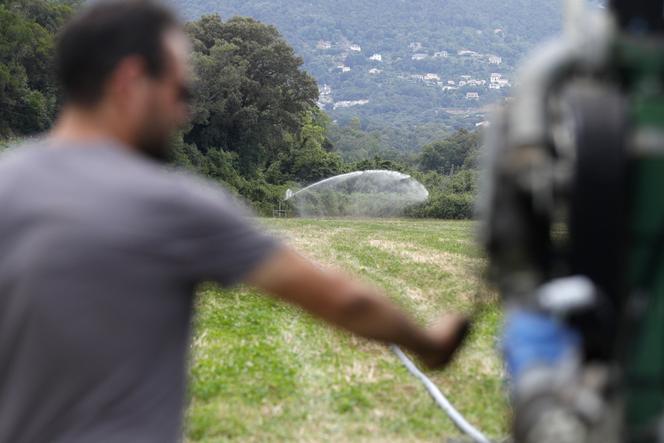 France: According to the High Commission for Planning, access to water requires a ‘radical transformation of usage’ starting today to avoid ‘serious tensions’.
This is due to ever-increasing needs and ever-decreasing availability. In a memo, the organisation highlights likely conflicts between different water users in France due to global warming and recommends reviewing agricultural practices in particular.
Summer has barely begun, yet the state of water resources is already a cause for concern, with a quarter of France under a ‘vigilance’ status encouraging water conservation. Restrictions linked to higher alert levels, affecting 3.5% of the territory for drinking water, are increasing.
Read Le Monde (French) Tags: France – WaterCrisis
see also:
- Drought: Map of Water Restrictions in France. View the areas affected by prefectural decrees relating to water shortages on our interactive map, which is updated daily. (Le Monde, French)
- Drought: ‘Serious tensions’ over water could grip France by 2050. Water is an essential and threatened resource. (Libération, French, Paywall)
- North: Water restrictions due to drought. The department has been on drought alert since 19 June. In light of the rapid deterioration of the hydrological and meteorological situation, the prefect is urging individuals and businesses to adopt responsible and economical behaviour. (Le Figaro, French)
 Nature-based solutions an opportunity for countries in the Global South
 Nature-based solutions an opportunity for countries in the Global South
In Africa, South America and Asia, cities of millions are drowning in untreated wastewater, while clean water is a scarce commodity. According to U.S. researchers, nature-based solutions could be the key to improving the situation, facilitating the Sustainable Development Goals. On June 5 this year, the journal PLOS Water published a study summarizing the opportunities and challenges in this area.
Nature-based solutions use natural mechanisms and healthy ecosystems to protect societies, optimize infrastructure and ensure a stable future for the world. They have been implemented in developed countries for years, but it is the Global South, with its rapid demographic growth and chaotic urbanization, that seems to need them most.
Read WaterIssues / Tags: Sanitation
 The Nile monitor: Guardian of Africa’s waterways
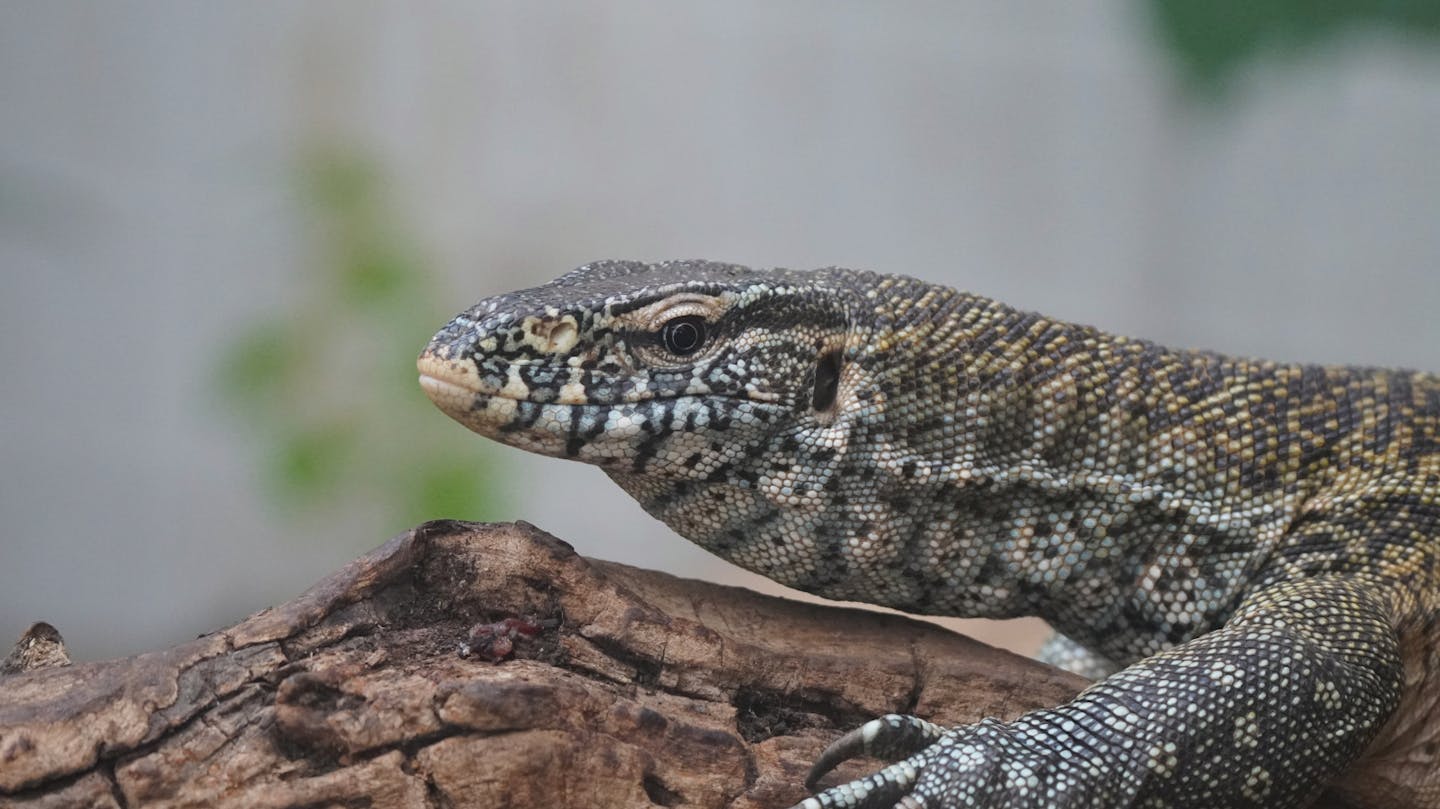 The Nile monitor: Guardian of Africa’s waterways
At nearly two meters (7 ft) long, the Nile monitor (Varanus niloticus) is Africa’s largest lizard and one of the most intelligent reptiles on Earth. With keen eyesight, sharp claws, and a powerful tail, it is an apex predator in many freshwater ecosystems. Revered and feared, the Nile monitor plays a vital role in maintaining the delicate balance of riverine and wetland habitats across sub-Saharan Africa.
Despite their dinosaur-like presence, Nile monitors are often overlooked in conservation conversations. Yet their story, part predator, part scavenger, and all survivor, is one of resilience in the face of encroaching human development and shifting climates.
Read OneEarth.org / Tags: Africa
South Africa: Water tested at dozens of schools is unsafe – WaterCan report
As part of the national Citizen Science project, pupils from 95 schools tested their own water and found shocking levels of bacterial contamination.
Nearly half of the samples taken proved the water at schools were unsafe for consumption.
Dr Ferrial Adam, WaterCAN Executive manager discussed the results with eNCA.
See eNCA – Read African News Agency / Tags: SouthAfrica
 Italy: Ruling in the Miteni trial on 26 June
 Italy: Ruling in the Miteni trial on 26 June
Legambiente: “Today marks a historic ruling and a great victory for those affected by pollution.
We must now proceed as quickly as possible with cleaning up the polluted site, which has caused and continues to cause one of the most extensive cases of groundwater contamination.”
After years of complaints, disputes and battles, including those fought by Legambiente and its supporters, those responsible for the pollution are finally being held accountable for their actions, which have not only damaged the environment, but also the health of citizens in the Veneto region. This is the result of a great deal of work, starting with the first complaint in 2014 by the “Perla Blu” club in Cologna Veneta and lawyer Enrico Varali, the regional coordinator of Legambiente’s Legal Action Centre. They have fought for environmental justice both inside and outside the courtroom over the years.”
Read VenetoNews (Italian) – Statement Legambiente / Tags: Italy – PFAS
Advocating for vulnerable communities in Venezuela at the Human Rights Council
 Advocating for vulnerable communities in Venezuela at the Human Rights Council
The Lutheran World Federation (LWF) has called on the international community and the Government of Venezuela to urgently step up efforts to respond to one of the most prolonged and under-reported humanitarian crises in Latin America.
In a statement to the 59th session of the Human Rights Council, LWF highlighted the dire conditions facing the people of Venezuela, particularly the erosion of social and economic rights, the collapse of public services, and the shrinking of civic and democratic space. The statement was presented by Carmen Garcia, LWF Regional Program Coordinator for Latin America and the Caribbean.
Read LWF / Tags: Venezuela – Right2Water
 Nigeria: FG asks states to reinstate monthly sanitation exercise to prevent diseases
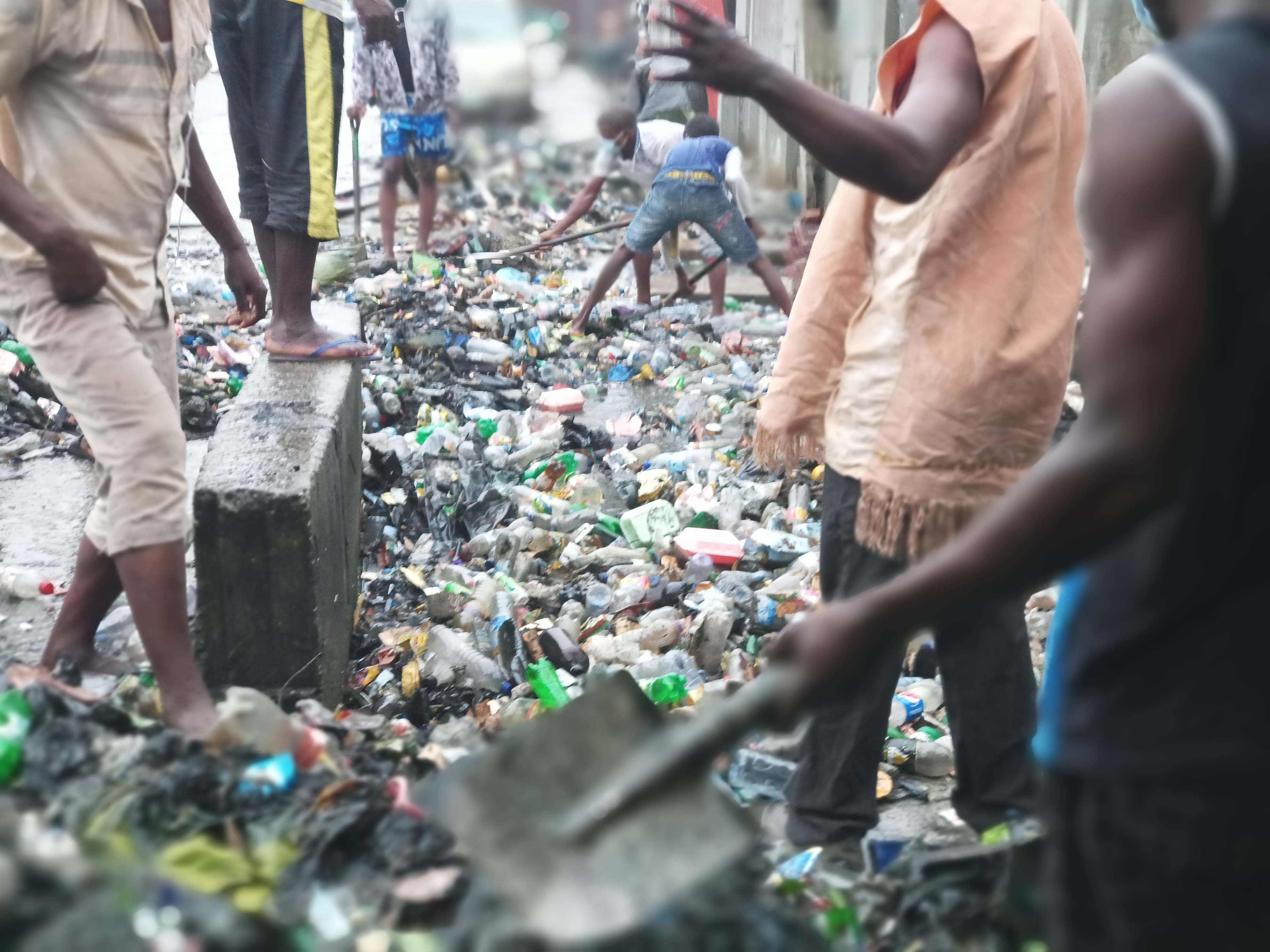 Nigeria: FG asks states to reinstate monthly sanitation exercise to prevent diseases
As Nigeria prepares to mark the 2025 National Environmental Sanitation Day (NESD), the federal government has urged states that have not yet reinstated the monthly environmental sanitation (clean-up) exercise to do so.
Minister of Environment, Balarabe Lawal, made the call during a briefing on the 2025 National Environmental Sanitation Day commemoration with the theme: “Safe Sanitation and Hygiene for Disease Prevention”.
He said the exercise is crucial in preventing sanitation-related diseases and fostering a sense of community responsibility.
Read Daily Trust / Tags: Nigeria – Sanitation


