

Every day the most important news on water and sanitation from around the world, compiled by the Blue Community Network, defending water as a common, public good and a human right.
Today:Daghestan, Ecuador, Eritrea, France, Guatemala, Israel, Mexico, Palestine, Peru, Publication, Right2Water, Tunisia, UAE, UK, UN, US, WaterJustice
 Ecuador: The consequences of a city not having drinking water
We have now reached the most critical moment: over 80% of households do not have access to drinking water, and the cantonal COE has just declared a water emergency, following administrative proceedings initiated by the Ministry of the Environment against the Municipality of Loja.
Despite the crisis, the health authorities have not yet published a report on its impact on public health. A lack of drinking water can lead to infectious diseases such as hepatitis A and B spreading due to poor hygiene.
 UK’s Southern Water strikes deal for fresh $916 million liquidity boost
 UK’s Southern Water strikes deal for fresh $916 million liquidity boost
UK’s Southern Water said on Tuesday it had agreed to terms for a debt raise worth 675 million pounds ($916.1 million), in addition to recent offers worth roughly 2 billion pounds in fresh equity and bonds.
The utility, which serves about 2.6 million customers across the UK, has been battling a debt crisis amid growing regulatory scrutiny over water pollution and under-investment.
 Eritrea: Extensive Water and Soil Conservation Program
Extensive water and soil conservation activities are being carried out with strong public participation in the Molqui sub-zone.
Mr. Melake Woldemicael, Head of the Agriculture Office in the sub-zone, stated that the program aims to construct terraces over 2,365 hectares, and so far, 70% of the target has been completed.
Mr. Melake also noted the exemplary participation of residents in the administrative areas of Adi-Gemi’a, Adi-Mihret, Endabasimon, and Tikul. He called for continued and reinforced public engagement to ensure better outcomes.
Participants in the campaign, recognizing the impact of the program on improving their agricultural yields, expressed commitment to further strengthen their involvement.
 Tunisia: Drinking water cut off in Medhilla and… civil society up in arms!!!
 Tunisia: Drinking water cut off in Medhilla and… civil society up in arms!!!
Several civil society activists from Medhilla, in the governorate of Gafsa, organised a demonstration on Tuesday 8 July in front of the delegation’s headquarters, due to repeated water cuts in the region. Repeated interruptions and disruptions in water distribution have become commonplace over the past seven years, and each time no radical solution has been found to the issue of interruptions in light of high temperatures.
The National Water Distribution Utility (SONEDE) issued a statement explaining the reasons for the water cuts in the region, stating that due to a failure in the main 300 mm diameter supply pipes connecting the Lortos borehole and the distribution reservoir, SONEDE’s technical teams had intervened to repair the fault and that the distribution of drinking water would gradually return to normal today.
 Gaza’s water crisis is escalating fast, millions have little time left
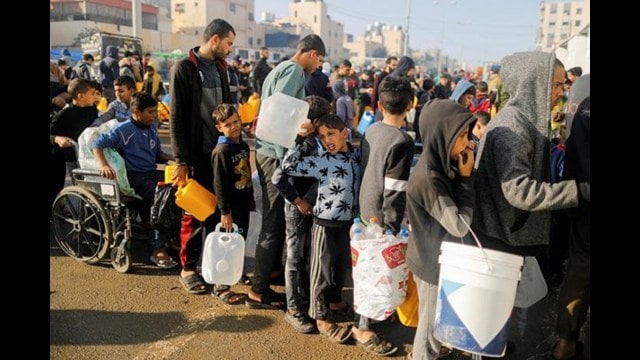 Gaza’s water crisis is escalating fast, millions have little time left
Fuel blockades, broken water pumps, and rising disease: Millions in Gaza are battling for the basic human right of clean, accessible water.
For months now, Gaza is under a tight blockage and continuous bombardment, leaving its population isolated from the outside world and its economy with much to be desired. The ongoing war has shattered roads, power lines and supply routes while the border control has severely limited import of water, fuel and basic goods. This has resulted in hospitals running on backup generators, but they are still few and far between. In the ongoing devastation, demand for clean and accessible water has drastically increased while the citizens have been devoid of this basic human right.
 US: Reducing multiple tap water contaminants may prevent over 50,000 cancer cases
 US: Reducing multiple tap water contaminants may prevent over 50,000 cancer cases
Study shows health benefits of tackling arsenic, chromium-6 and other pollutants at once
Drinking water treatment that pursues a multi-contaminant approach, tackling several pollutants at once, could prevent more than 50,000 lifetime cancer cases in the U.S., finds a new peer-reviewed study by the Environmental Working Group.
The finding challenges the merits of regulating one tap water contaminant at a time, the long-standing practice of states and the federal government.
Daghestan: Over 100 people infected after drinking contaminated water
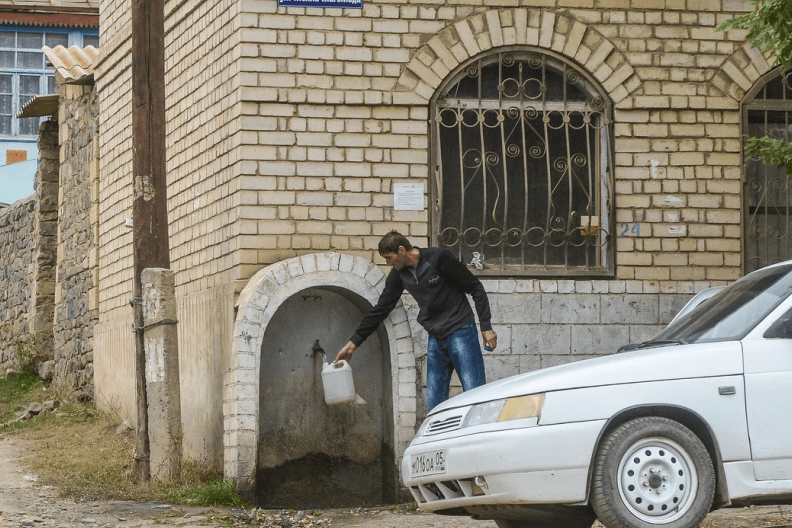 Daghestan: Over 100 people infected after drinking contaminated water
Over 100 people have received medical assistance after contracting an infection from what appears to be a contaminated water source in Daghestan. The authorities say that 18 people were hospitalised.
According to the regional office of the Federal Service for Surveillance on Consumer Rights Protection and Human Wellbeing, at least 110 people in Magaramkent have sought medical assistance with symptoms of acute intestinal infection, with 18 people requiring hospitalisation.
 Towards Comprehensive Water Justice in Central America
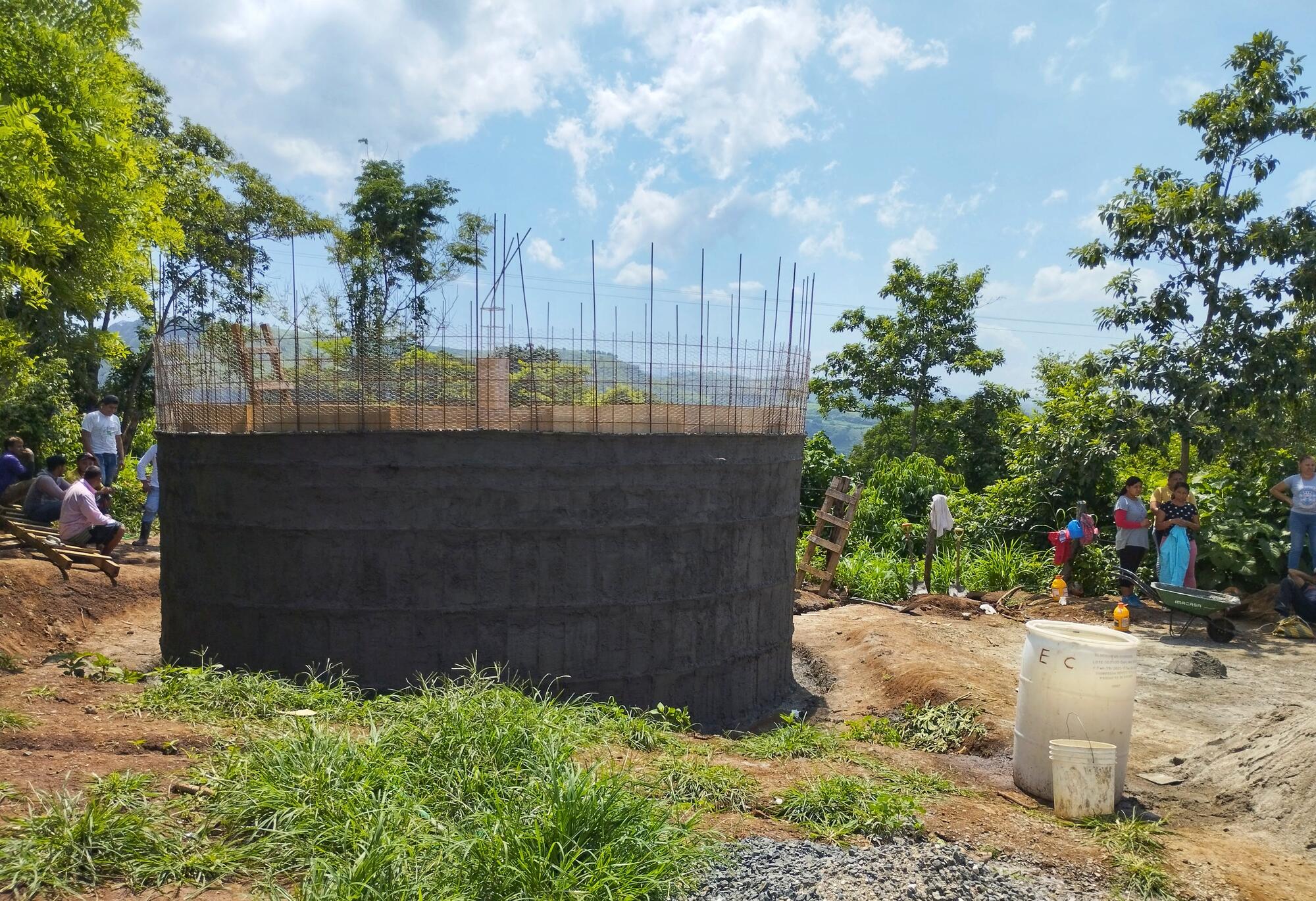 Towards Comprehensive Water Justice in Central America
The legal recognition of the human right to water in Central America is still partial and uneven. In many cases, it is merely declarative. Guaranteeing this right requires the political will to establish comprehensive legal frameworks, protect excluded communities and democratise water management.
In 2010, the UN General Assembly adopted Resolution 64/292, recognising access to drinking water and sanitation as an essential human right. For this recognition to be effective, States must incorporate this right into their constitutions and assume the legal and political obligations required to fulfill it.
UAE Places Human Rights as Top Priority at 2026 Water Conference
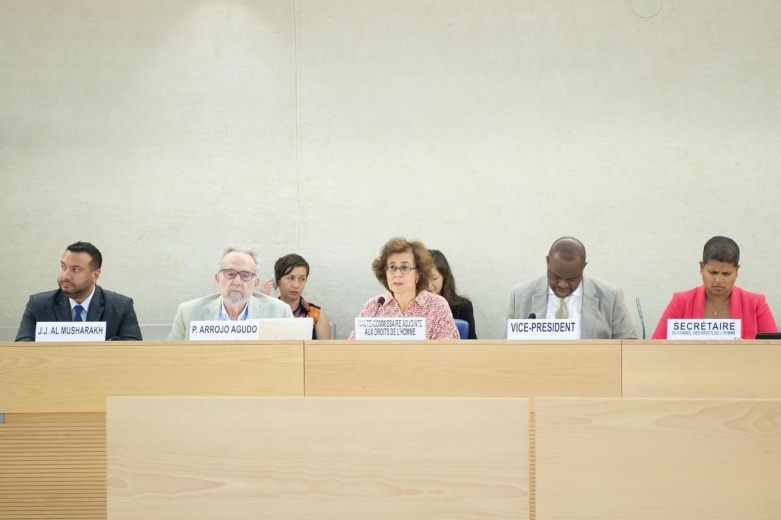 UAE Places Human Rights as Top Priority at 2026 Water Conference
The United Arab Emirates reaffirmed its longstanding commitment to human rights – particularly the right to safe drinking water and sanitation – during a high-level discussion panel at the 59th session of the Human Rights Council.
As a co-host of the 2026 United Nations Water Conference, alongside the Republic of Senegal, the UAE emphasized that ensuring equitable access to water is not only a development priority but a fundamental human right central to its national and international efforts.
His Excellency Jamal Jama Al Musharakh, Permanent Representative of the UAE to the United Nations and Other International Organizations in Geneva, participated in a discussion panel, which was convened in accordance with Human Rights Council Resolution 57/13, adopted on 10th October 2024. The session focused on integrating human rights into the preparatory process for the 2026 United Nations Water Conference.
 Guatemala: ‘Ninety per cent of the water in Guatemala is contaminated,’ says a Human Rights Watch report.
 Guatemala: ‘Ninety per cent of the water in Guatemala is contaminated,’ says a Human Rights Watch report.
The human rights organisation Human Rights Watch (HRW) recently published a report entitled Without Water, We Are Nothing. Why Guatemala needs a water law. Juanita Goebertus, director of the Americas Division, presented the report, which highlights that despite Guatemala having water available, millions of people do not have access to it. The lack of infrastructure and treatment negatively impacts the rights of Guatemalans, particularly women and those in rural communities.
According to the report, indigenous and rural communities in Guatemala have limited access to water due to inadequate infrastructure, which has a particularly negative impact on women, who spend many hours each day collecting it.
 Over 11 million Peruvians have lacked access to drinking water and sewerage systems for 10 years.
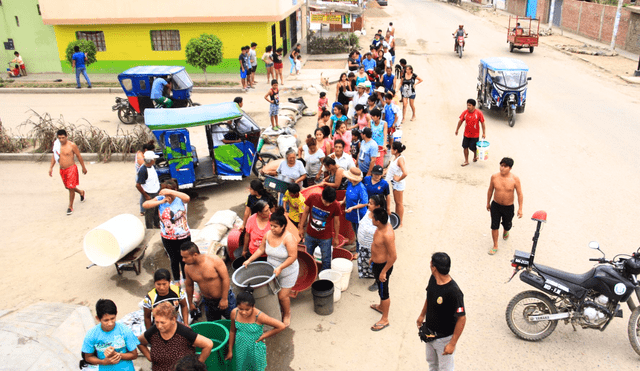 Over 11 million Peruvians have lacked access to drinking water and sewerage systems for 10 years.
9.6% of Peru’s population lacks access to public water supplies, a figure rising to 21.3% in rural areas. This situation has a negative impact on the health and well-being of millions of people.
The Panamericana Sur has been blocked by a miners’ protest, leaving vehicles stranded and passengers injured after an attack on buses in Ica.
Meanwhile, Minedu has announced that it will implement new degree programmes for graduates.
US: ‘How did we get here?’: Calif. megadevelopment runs out of water. “I can barely keep this district running.”
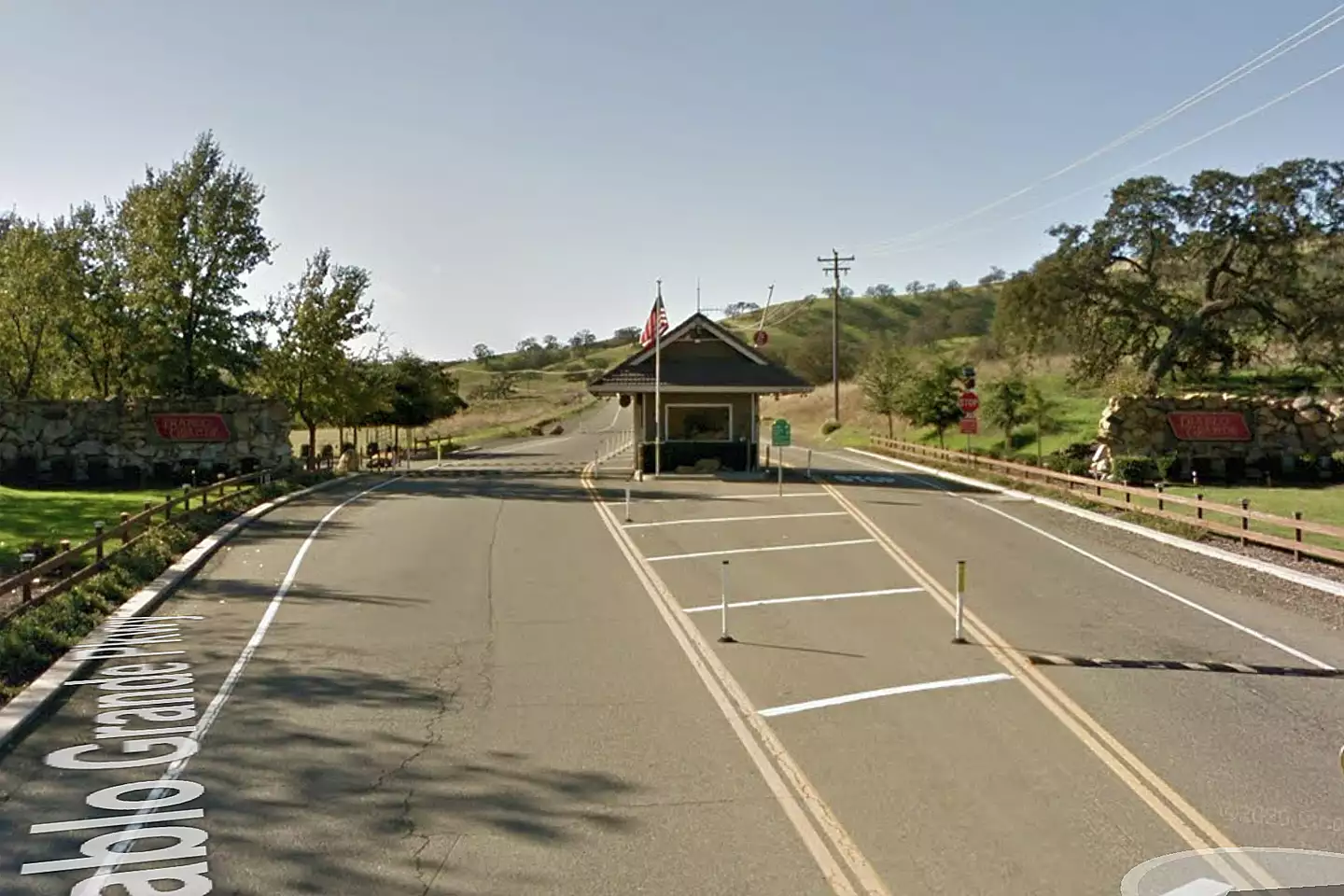 US: ‘How did we get here?’: Calif. megadevelopment runs out of water. “I can barely keep this district running.”
It may sound like an end-times warning for California about the existential risk of building megadevelopments in places where water is scarce — but in one Central California community, the worst fears of running out of the precious resource have become a reality.
And, even in a best-case scenario, there seemingly is no solution except for one that is both temporary and unfathomably expensive.
 Mexico: Tehuantepec residents demand urgent solution to drinking water shortage
On Monday, residents of the Guichivere, Vixhana, Portillo San Antonio and Cerro Padre Cruz López neighbourhoods, which are located in the upper part of Santo Domingo Tehuantepec, protested in front of the Municipal Presidency to demand an immediate solution to the lack of drinking water they have experienced for over ten days.
From early morning, residents gathered at the Municipal Palace to request the Mayor’s direct intervention with the State Government. They denounced the fact that the problem has been exacerbated by the lack of resources to repair the Sahop 2 well, which has left hundreds of families without a water supply.
France: Environmental Assessments. The Impact of Water Use Conflicts
 France: Environmental Assessments. The Impact of Water Use Conflicts
The availability and quality of water resources are now a pressing issue in the context of climate change and global warming. These issues are being analysed as part of project environmental assessments, which are generally considered inadequate or in need of improvement by the Regional Environmental Authority Missions (MRAEs), who are independent of prefectural authorities. Judges hearing cases are now focusing on ensuring that these issues are addressed. This analysis considers the perspective of the MRAE and emerging case law.
 France: Anticipating water shortages:
In Martigny, the springs are still flowing strongly. However, preparations are underway. It should be noted that the climate in Alpine regions is warming at twice the global average rate, significantly impacting water resources. Against this backdrop, the ‘Sources and Climate Change’ project, led by the Martigny municipality and CREALP (Centre for Research on the Alpine Environment), was awarded the #prixalpiq prize in 2023. The project has enabled the modelling of the behaviour of the city’s drinking water springs and predictions to be made about the future availability of the resource, ensuring optimal infrastructure management.


